Looking back at Prometheus Awards history: What happened at the first awards ceremony in 1979 in Los Angeles – and why it was controversial

Today marks nearly the end of a pivotal year marking the 40th anniversary of the Prometheus Awards, so it’s interesting to take a moment in 2019 and look back at the birth of the awards with the very first Prometheus Awards ceremony in 1979.
First envisioned and launched by sf writer L. Neil Smith, the Prometheus Award was first presented in 1979 in a high-profile ceremony at the year’s biggest Libertarian convention, which attracted several thousand people in Los Angeles.

Writer Robert Anton Wilson announced the winner – F. Paul Wilson’s sf mystery Wheels Within Wheels– after announcing three finalists, including Poul Anderson’s The Avatarand James P. Hogan’s The Genesis Machine.
Here’s a glimpse of how the event was covered in Frontlines, a leading libertarian-movement-news newsletter published by Reason magazine’s foundation:
“The first-ever Prometheus Award was presented for the best libertarian science fiction novel of 1978. The finalists were Poul Anderson’s The Avatar, James P. Hogan’s The Genesis Machine and F. Paul Wilson’s Wheels within Wheels.

“Robert Anton Wilson did the honors, on behalf of the Prometheus Award Committee (an independent group of libertarian sf fans, who contributed the award), presenting the $2,500 in gold to (no relation) F. Paul Wilson. The prize (which has already increased significantly in value) is the largest award for science fiction given anywhere in the world.”

Continue reading Looking back at Prometheus Awards history: What happened at the first awards ceremony in 1979 in Los Angeles – and why it was controversial

Where you can find the 2019 Prometheus Hall of Fame finalists

Now that the Libertarian Futurist Society has announced its 2019 finalists for the Prometheus Hall of Fame (Best Classic Fiction) and posted the news on our lfs.org website and on this Prometheus blog, LFS members (and all interested sf fans) might be curious about where you can find and read them.

That’s especially a question that might arise this year, when for the first time within memory, almost all of the Hall of Fame finalists are short stories or novellas (with only one novel as a finalist.)
Continue reading Where you can find the 2019 Prometheus Hall of Fame finalists

Karen Anderson has died

Karen Anderson around 1965, from Astrid Anderson’s Facebook post. 

Karen Anderson has died. She was the widow of Poul Anderson, and co-authored a number of books with her husband.

Anderson is believed to be the first person to use the term “filk music” in print. She was active in costuming. The Andersons’ daughter Astrid Anderson, who is married to SF author Greg Bear, also has been active in costuming.

Continue reading Karen Anderson has died

Our latest ‘Hall of Fame’ nominees span many decades

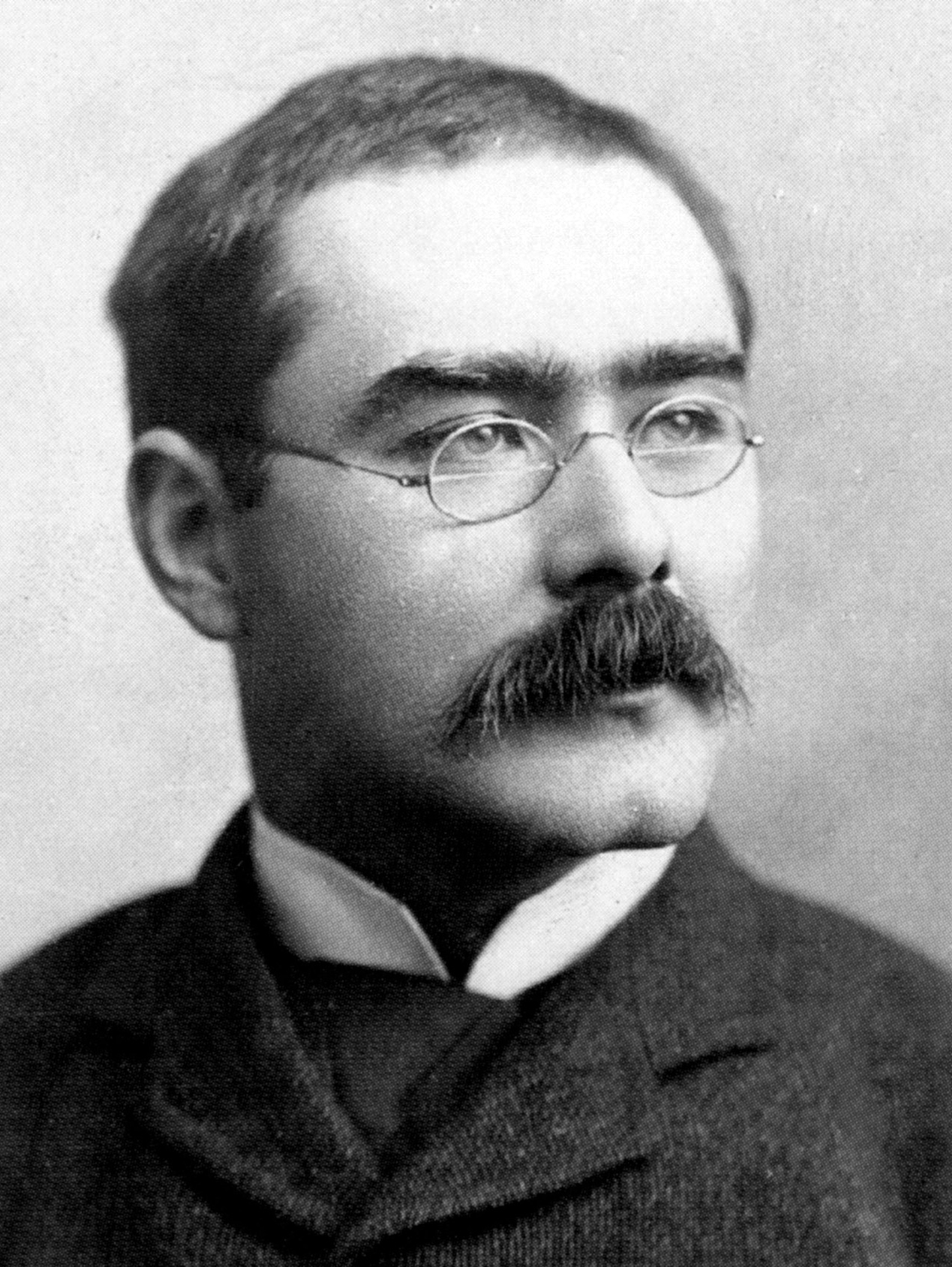
Rudyard Kipling (File photo)

The Prometheus Hall of Fame Award honors classic SF that promotes individual liberty, and with our current crop of nominees, we’ve reached across decades of work:

One of the nominations is for a Rudyard Kipling story published in 1912, and we also have work from the 1940s, the 1960s and the 1980s.

Official press release follows.

— Tom Jackson

Continue reading Our latest ‘Hall of Fame’ nominees span many decades

Freedom in the Future Tense: A Political History of SF


By Eric S. Raymond

The history of modern SF is one of five attempted revolutions — one success and four enriching failures. I’m going to offer a look at them from an unusual angle, a political one. This turns out to be a useful perspective because more of the history of SF than one might expect is intertwined with political questions, and SF had an important role in giving birth to at least one distinct political ideology that is alive and important today.

Robert Heinlein (Photo courtesy of the Heinlein Trust)

CAMPBELL AND HEINLEIN

The first and greatest of the revolutions came out of the minds of John Wood Campbell and Robert Heinlein, the editor and the author who invented modern science fiction. The pivotal year was 1937, when John Campbell took over the editorship of Astounding Science Fiction. He published Robert Heinlein’s first story a little over a year later.
Continue reading Freedom in the Future Tense: A Political History of SF