Karen Anderson around 1965, from Astrid Anderson’s Facebook post.
Karen Anderson has died. She was the widow of Poul Anderson, and co-authored a number of books with her husband.
Anderson is believed to be the first person to use the term “filk music” in print. She was active in costuming. The Andersons’ daughter Astrid Anderson, who is married to SF author Greg Bear, also has been active in costuming.
The Prometheus Hall of Fame Award honors classic SF that promotes individual liberty, and with our current crop of nominees, we’ve reached across decades of work:
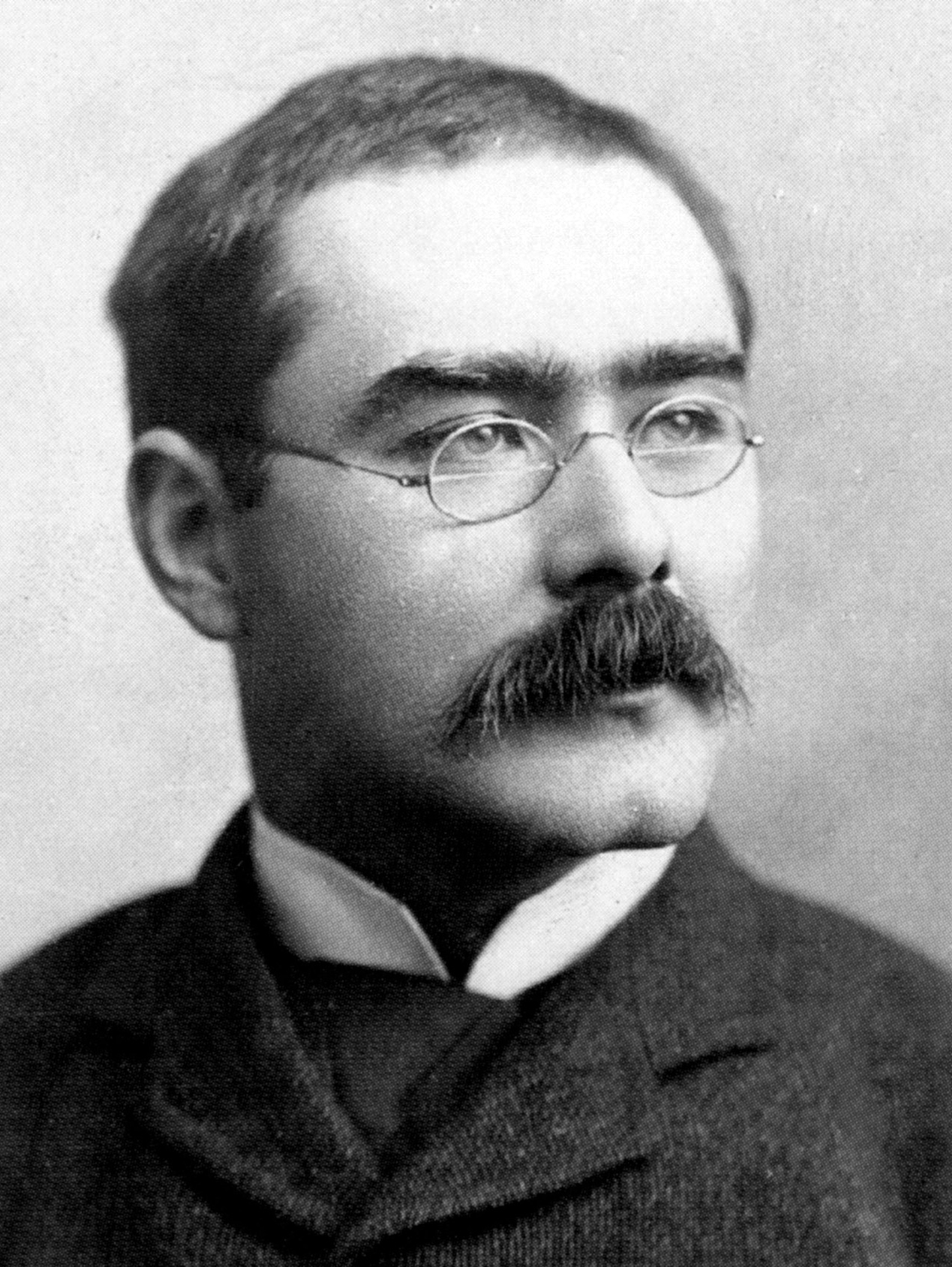
One of the nominations is for a Rudyard Kipling story published in 1912, and we also have work from the 1940s, the 1960s and the 1980s.
The history of modern SF is one of five attempted revolutions — one success and four enriching failures. I’m going to offer a look at them from an unusual angle, a political one. This turns out to be a useful perspective because more of the history of SF than one might expect is intertwined with political questions, and SF had an important role in giving birth to at least one distinct political ideology that is alive and important today.
Robert Heinlein (Photo courtesy of the Heinlein Trust)
CAMPBELL AND HEINLEIN
The first and greatest of the revolutions came out of the minds of John Wood Campbell and Robert Heinlein, the editor and the author who invented modern science fiction. The pivotal year was 1937, when John Campbell took over the editorship of Astounding Science Fiction. He published Robert Heinlein’s first story a little over a year later. Continue reading Freedom in the Future Tense: A Political History of SF