

Vernor Vinge wrote serious science fiction; Terry Pratchett wrote fantasy with a strong comical and satirical focus.

Although each writer won more than one Prometheus Award for works that wove in libertarian and anti-authoritarian insights and themes, few of us tend to think of these two late great authors in the same breath, or any close to the same fiction or genre category.
While surely their respective fan bases overlap to some extent, even the hardest-core Pratchett and Vinge fans probably wouldn’t imagine that much else might link them – especially Fans of Vernor Vinge and Terry Pratchett, even if that fan base overlaps, probably don’t think of both authors together.
Yet, they had a strong connection in fiction, with one author favorably mentioning and imagining the future work of the other in a novel.
 In Rainbow’s End, a 2007 Prometheus Best Novel finalist, Vinge imagined a future in which Pratchett lived and wrote much longer – in the process, creating a new civilization as a counterpart to Ankh-Morpork, the capital city of the fantasy planet in his beloved and bestselling Discworld series.
I hadn’t recalled that from having read Rainbow’s End nearly two decades ago, but I’m glad that was mentioned by Paul Weimer in a File 770 essay paying tribute to Pratchett.
“I wish those novels could have been written, or if I could sneak a shadow or two over from ours and grab them and bring them back to our world (although his daughter might have strong opinions on that),” Weimer wrote.
I feel the same way.
 It’s nice to know that Vinge was a fan of Pratchett’s work. (And who knows? Perhaps Pratchett was familiar with, and a fan of Vinge’s work, too.)
Vinge, who died in 2024, and Pratchett, who died in 2015, are major sf/fantasy writers worth remembering – and still worth reading.
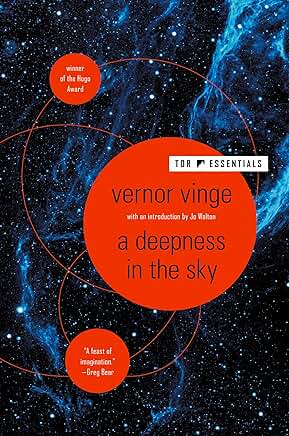 For starters, one might read Vinge’s novels Marooned in Real Time, the 1987 Prometheus Best Novel winner, and A Deepness in the Sky, the 2000 Best Novel winner. Or check out his Prometheus Hall of Fame-winning stories “The Ungoverned” and “True Names.”
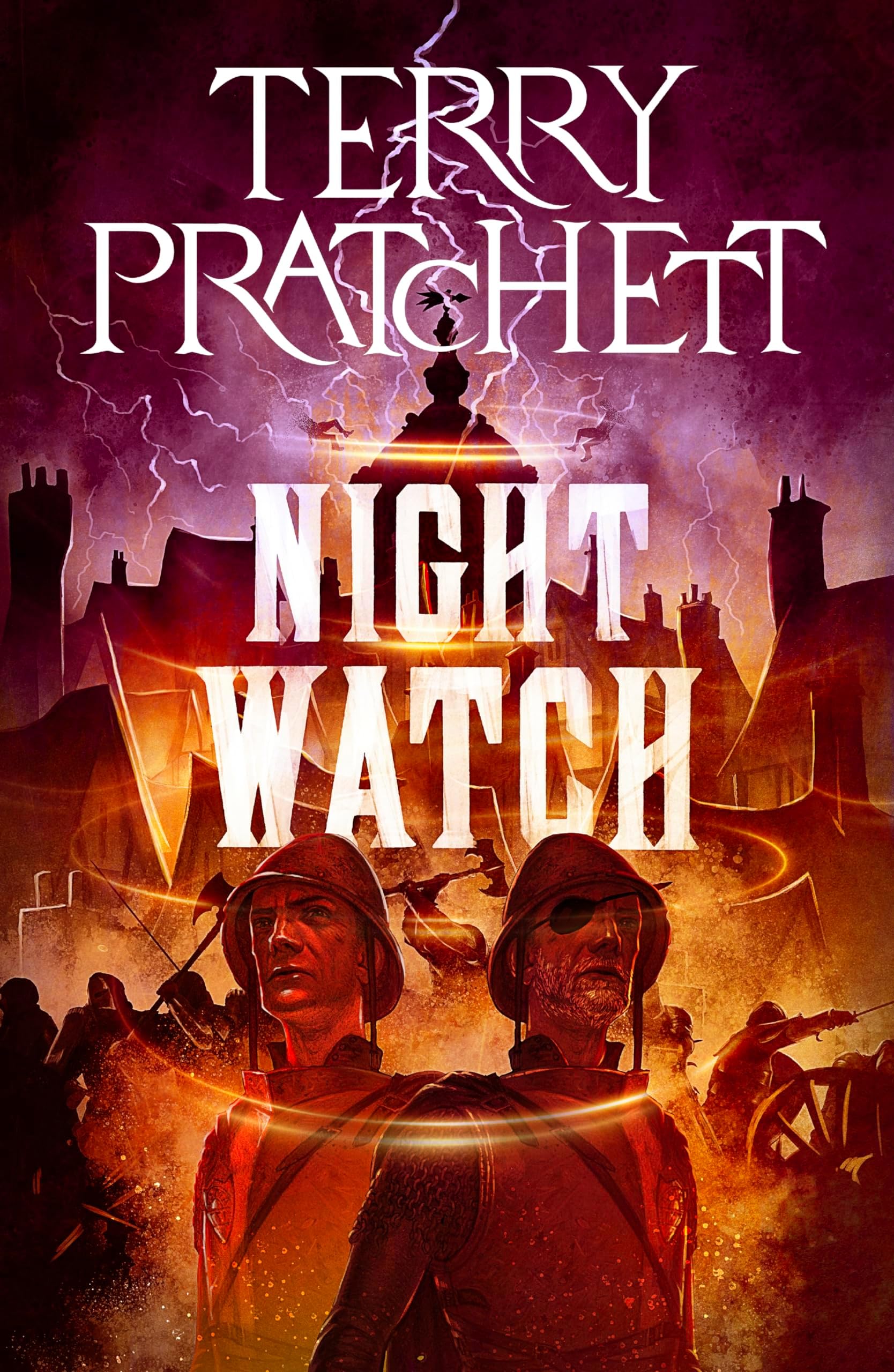
 Among Pratchett’s best Discworld novels are Night Watch, which won the 2003 Prometheus Best Novel award, and The Truth, inducted in 2024 into the Prometheus Hall of Fame for Best Classic Fiction.
It’s also good to know that most people don’t fit easily or completely into narrow boundaries – such as SF vs. fantasy, or comedy vs. drama.

Many Pratchett and Vinge fans, both within and outside the LFS, read and enjoy both genres.
After all, Pratchett and Vinge were respective masters of their genres. So why not read both?

ABOUT THE LFS AND THE PROMETHEUS AWARDS
* Join us! To help sustain the Prometheus Awards and support a cultural and literary strategy to appreciate and honor freedom-loving fiction, join the Libertarian Futurist Society, a non-profit all-volunteer international association of freedom-loving sf/fantasy fans.
Libertarian futurists understand that culture matters. We believe that literature and the arts can be vital in envisioning a freer and better future. In some ways, culture can be even more influential and powerful than politics in the long run, by imagining better visions of the future incorporating peace, prosperity, progress, tolerance, justice, positive social change, and mutual respect for each other’s rights, human dignity, individuality and peaceful choices.
* Prometheus winners: For a full list of Prometheus winners, finalists and nominees – including in the annual Best Novel and Best Classic Fiction (Hall of Fame) categories and occasional Special Awards – visit the enhanced Prometheus Awards page on the LFS website. This page includes convenient links to all published essay-reviews in our Appreciation series explaining why each of more than 100 past winners since 1979 fits the awards’ distinctive dual focus on both quality and liberty.
* Watch videos of past Prometheus Awards ceremonies, Libertarian Futurist Society panel discussions with noted sf authors and leading libertarian writers, and other LFS programs on the Prometheus Blog’s Video page.
* Read “The Libertarian History of Science Fiction,” an essay in the international magazine Quillette that favorably highlights the Prometheus Awards, the Libertarian Futurist Society and the significant element of libertarian sf/fantasy in the evolution of the modern genre.
- Check out the Libertarian Futurist Society’s Facebook page for comments, updates and links to the latest Prometheus Blog posts.
