
George Orwell is one of only a handful of Prometheus-winning writers to remain world famous and widely read for more than one work of fiction.
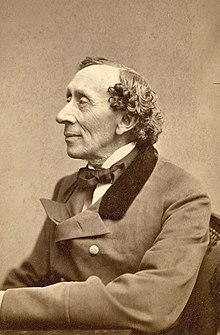
Meanwhile, the Prometheus Hall of Fame classic that is perhaps best known around the world is Hans Christian Anderson’s fable “The Emperor’s New Clothes.”

Perhaps still most widely acclaimed for his dystopian novel Nineteen Eighty-Four, Orwell is also frequently referenced and quoted for his satirical parable Animal Farm. (Forget the poorly reviewed 2026 animated film version, which substitutes a trendy and misguided anti-corporate ideology for Orwell’s explicit anti-communist theme.)
Of the 50 works of fantastic fiction that have now been inducted into the Prometheus Hall of Fame for Best Classic Fiction, Orwell’s classics and Andersen’s evocative fable rank high among the most notable and enduring.
And that’s why they are frequently referenced in contemporary intellectual debates and commentary – and will continue to be relevant for generations.